

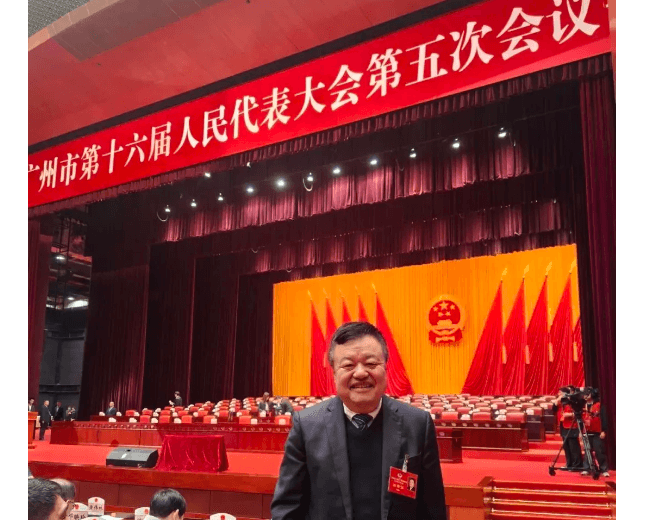
Zhang Ting, Honorary President of Guangdong Custom Home Furnishing Association, Attends Two Sessions and Proposes Two Major Motions

Published: 2025-02-21Views: 1068

On February 19 and 20, 2025, the Fourth Session of the 14th Guangzhou Municipal Committee of the Chinese People's Political Consultative Conference and the Fifth Session of the 16th Guangzhou Municipal People's Congress were convened as scheduled.Zhang Ting, member of the Guangzhou Municipal Committee of the Chinese People's Political Consultative Conference, Honorary President of the Guangdong Provincial Custom Home Association, and Chief Engineer of the Group of Suofeiya Home Collection Inc.attended the meetings. Focusing on topics such as green and low-carbon development and high-quality sustainable industrial development, he put forward two forward-looking and strategically significant proposals:"Promoting Green, Low-Carbon, and High-Quality Sustainable Development of Related Industries in Guangzhou: Deepening the Trade-In Policy for Consumer Goods, Home Decoration, Kitchen, and Bathroom Products" and "Implementing the National Strategy for Quality Grading of Consumer Goods, Promoting Guangzhou as the Global Capital of Customization and High-Quality Industrial Development".
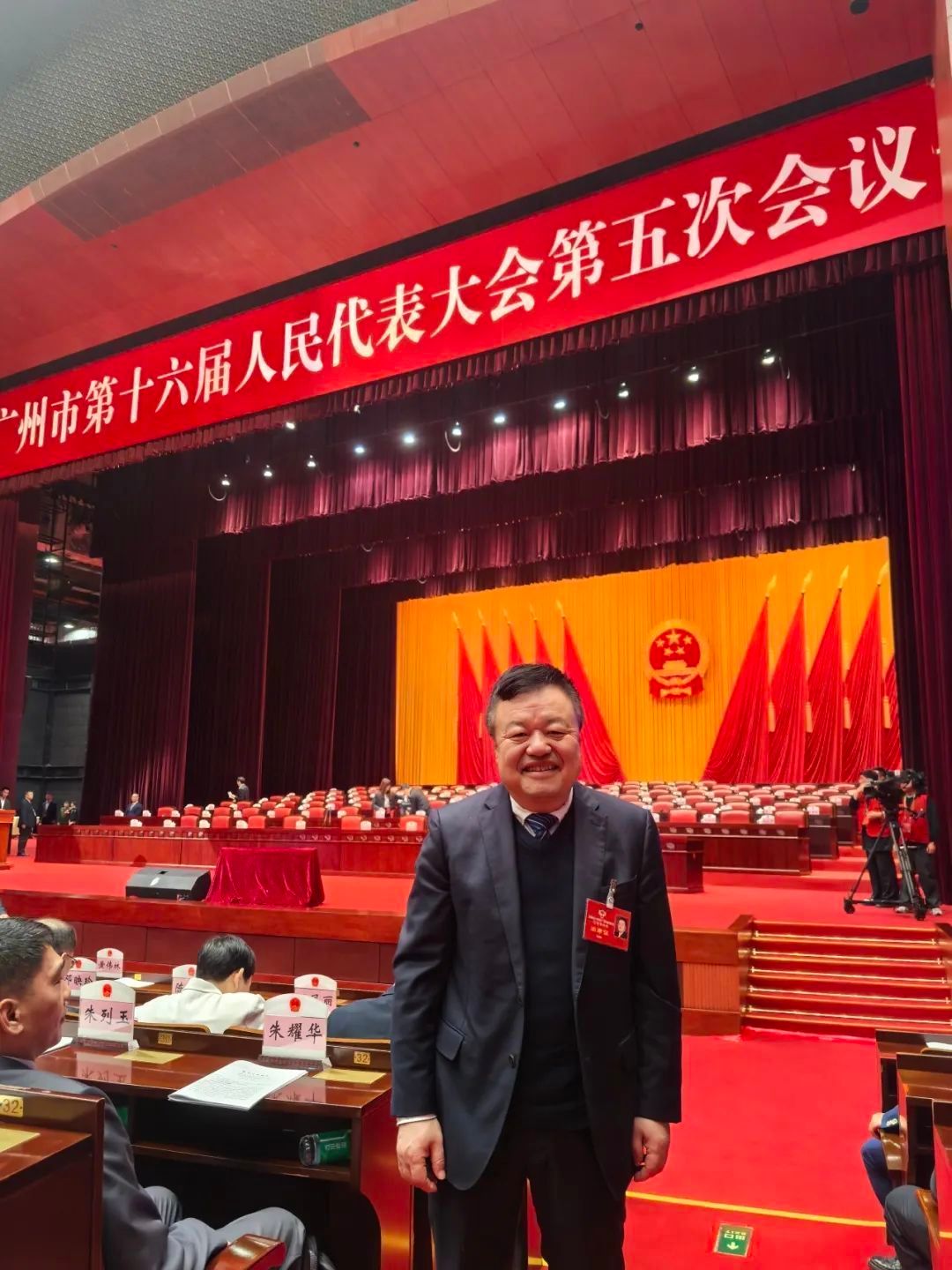


Deepening Green and Low-Carbon Development

Facilitating Industrial Transformation and Upgrading


Against the backdrop of the current "dual carbon" goals, green development has become the core driving force for the transformation and upgrading of all industries. President Zhang Ting pointed out in his proposal thatby deepening the trade-in policy for consumer goods, home decoration, kitchen, and bathroom products, not only can resource waste be effectively reduced, but market consumption potential can also be further stimulated, pushing the home furnishing industry towards a green and low-carbon direction. He suggested that the government increase support for environmentally friendly home furnishing products, encourage consumers to choose more energy-saving and eco-friendly products, and at the same time, improve the collection system for used furniture to achieve resource recycling. This measure will not only help improve the urban ecological environment but also inject new vitality into the custom home furnishing industry.
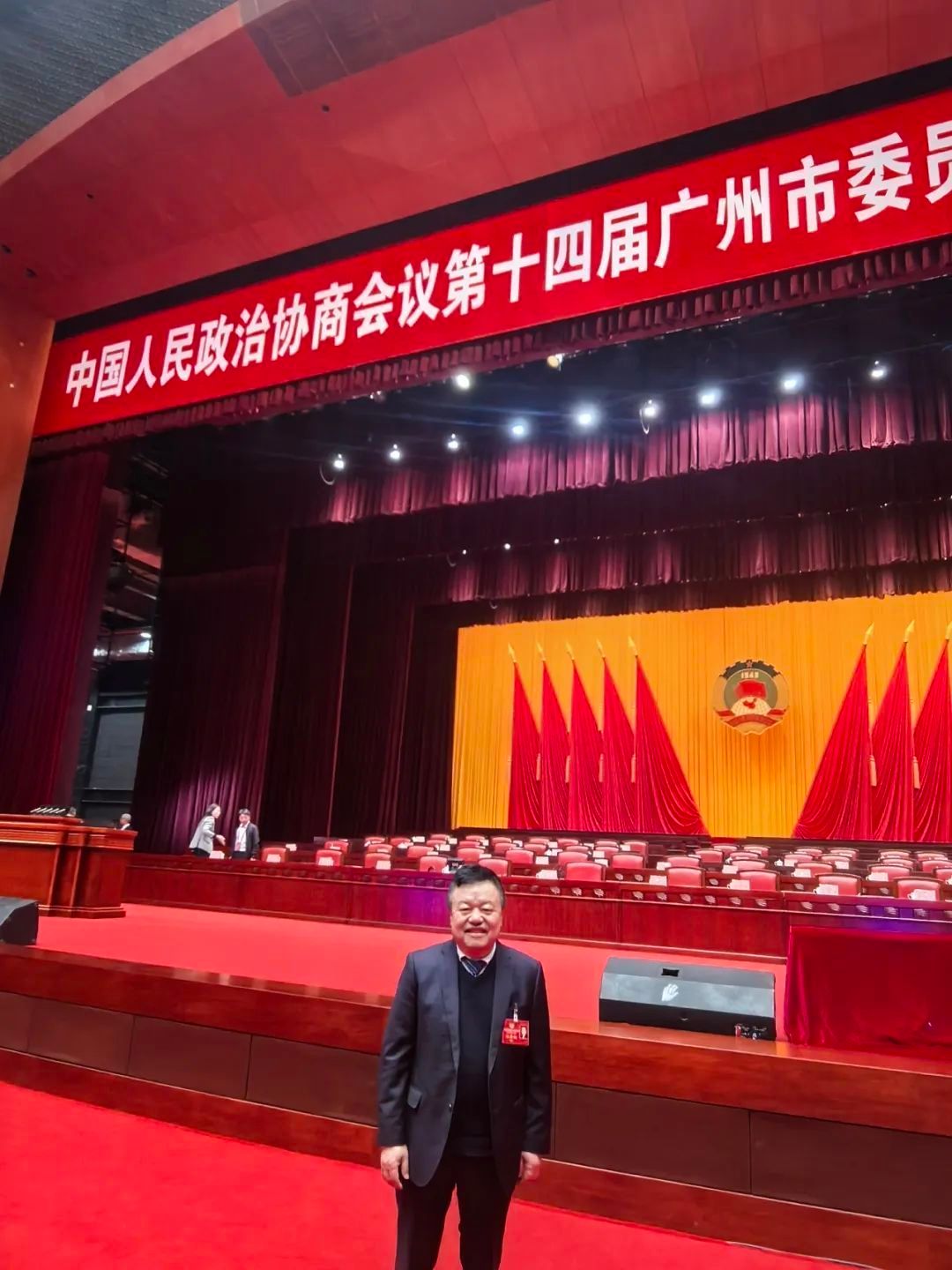


Implementing the Quality Grading Strategy

Enhancing the Core Competitiveness of the Industry


In his second proposal, President Zhang Ting emphasized the importance of implementing the national strategy for quality grading of consumer goods. He believes thatby establishing a scientific system of product quality grading standards, the diverse needs of consumers can be better met, while also encouraging enterprises to continuously improve product quality and technological levels. As the "Global Capital of Customization," Guangzhou possesses a unique industrial foundation and innovation capability. It should fully leverage this advantage to create more high-quality, high-value-added custom home furnishing products, thereby capturing a larger share of the global market. He suggested that government departments take the lead in formulating relevant standards, providing policy support and technical guidance to enterprises, and helping them accelerate technological upgrades and brand building.


Proposal 1(Swipe to view more)


Promoting Green, Low-Carbon, and High-Quality Sustainable Development of Related Industries in Guangzhou: Deepening the Trade-In Policy for Consumer Goods, Home Decoration, Kitchen, and Bathroom Products


I. Proposal Background

On March 13, 2024, the State Council issued the "Action Plan for Promoting Large-Scale Equipment Renewal and Trade-In of Consumer Goods." On June 17, 2024, the Guangzhou Municipal Bureau of Commerce issued the Guangzhou Municipal Action Plan for Promoting Trade-In of Consumer Goods. It is understood that in this round, the subsidy fund quota for the home decoration, kitchen, and bathroom sector was 1.2 billion yuan. The quota has been fully used, and the subsidy has been suspended. Taking Suofeiya Home Collection as an example, order data in November showed a significant increase compared to October, indicating the notable driving effect of the national subsidy funds.


After two decades of development, the custom home furnishing industry has achieved significant milestones in information and digital transformation. The project "Key Technologies and Industrialization for Intelligent Manufacturing of Mass Customized Personalized Panel Furniture," led by Suofeiya Home Co., Ltd., was awarded the First Prize for Scientific and Technological Progress in Guangdong Province in 2023. As the sole enterprise lead, it undertook the national key R&D program of the 14th Five-Year Plan: "Key Technologies for Intelligent Manufacturing of Forest Products Based on Digital Collaboration." In terms of promoting employment and increasing tax revenue, the comprehensive tax burden of custom home furnishing enterprises exceeds 8%, significantly higher than the average level of the manufacturing industry.


Represented by leading enterprises such as Oupai and Suofeiya in Guangzhou, the custom home furnishing industry is part of Guangzhou's trillion-level fashion industry. Guangzhou was designated by UNIDO as a 'Global Customization Capital' case city. As chain-leading enterprises, these custom home furnishing companies have driven the overall improvement of the custom home furnishing industry chain in Guangzhou.


The existing home furnishing market has a substantial base. According to data from the Residential Decoration and Parts Industry Branch of the China Building Decoration Association, the total output value of the domestic home improvement industry in 2023 was approximately 2.77 trillion yuan, of which consumer demand for partial renovations exceeded 35%, and the market size for home furnishing replacement approached one trillion yuan.


Overall, the trade-in policy has not only promoted the high-quality development of related industries but also catered to the people's pursuit of a better life.


II. Recommendations

1. Increase sustained investment to ensure long-term policy effectiveness

It is recommended to establish special funds to support policy implementation; based on consumption cycles and industrial upgrade trends, formulate a clear long-term trade-in policy plan, setting specific phase-by-phase goals and implementation priorities; reference the 'Implementation Measures for Home Appliance Trade-in' (Cai Jian [2009] No. 298) issued by the Ministry of Finance, Ministry of Commerce, and other departments in 2009.


2. Promote community quotas to improve policy precision

First, housing authorities should cooperate with communities to conduct surveys on housing improvement needs, tallying the number of properties in the region intending to participate in the trade-in, providing data support for policy implementation. Second, based on this, the government should delineate policy coverage areas according to the construction year of residential communities and specific renovation needs, ensuring the policy precisely and effectively benefits the target groups. Third, reasonably estimate the funding required for policy implementation, scientifically plan funds based on the delineated regional scope and the scale of property improvement projects, thereby improving fund utilization efficiency, ensuring effective use of funds, and achieving maximum policy benefits.


3. Implement tiered subsidies to drive brand strategy

By guiding consumption tiering to drive regional brand development strategies, it is recommended to implement differentiated subsidy policies. First, provide varying degrees of subsidies based on brand and product grade, especially increasing subsidies for high-end and green products. Second, establish a brand grading management system, conduct dynamic evaluations of brands participating in trade-ins, adopt a survival-of-the-fittest mechanism, and enhance overall brand quality.


4. Promote green and low-carbon recycling of wood resources

In the circulation phase: First, establish a recycling platform to facilitate the efficient recovery and reuse of waste products. Second, set up designated collection points in residential communities to ensure resource recyclability.

In the manufacturing phase, build a complete waste product recycling system chain, covering recycling, dismantling, and reuse stages, to ensure maximum resource utilization. Referring to Milan's practices, allow for the establishment of specialized processing plants in Guangzhou to process recycled materials into particleboard.

In policy formulation and supervision: First, establish strict industry norms and environmental regulations, strengthening supervision and regular inspections. Second, provide tax incentives and policy incentives to reward enterprises with significant achievements, guiding and expanding environmental recycling activities. Third, invest in or provide financial support to the recycling industry, referencing models for disabled persons and welfare enterprises.


III. Conclusion

Through the joint efforts of the government, enterprises, consumers, and other parties, the systematic project of deepening the trade-in of home decoration and kitchen & bathroom products should be promoted. It is recommended that the Guangzhou municipal government and relevant departments continuously implement the home decoration and kitchen & bathroom trade-in policy through measures such as increasing sustained investment, promoting community quotas, implementing tiered subsidies, and promoting recycling, thereby stimulating market vitality, implementing Xi Jinping's Thoughts on Ecological Civilization, and practicing the principle that lucid waters and lush mountains are invaluable assets.


Proposal II(Swipe to view more)


Implement the national strategy for consumer goods quality grading to promote the high-quality development of Guangzhou as the Global Customization Capital and its industries


I. Proposal Background and Necessity:

As China's economy transitions towards high-quality development, consumer demands for product quality are increasingly rising. The Central Committee of the Communist Party of China and the State Council proposed in the "Opinions on Accelerating the Construction of a Unified National Market" to 'establish and improve a quality grading system.' The "Outline for Building a Quality-Powerful Nation" also emphasizes 'implementing product and service quality grading to guide high quality at good prices and promote precision regulation.' In this context, on September 27, 2024, the State Administration for Market Regulation drafted the 'Implementation Opinions of the State Administration for Market Regulation on Carrying Out Product Quality Grading (Draft for Comments),' aiming to create an open, transparent market environment with high quality at good prices through product quality grading, accelerate the construction of a unified national market, and promote high-quality economic and social development.


Guangzhou, as an important custom home furnishing production base in China, is home to many leading custom home furnishing companies such as Oppein, Suofeiya, and Shangpin Zhaipei. The implementation of a product quality grading system is of great significance for enhancing the overall competitiveness of Guangzhou's custom home furnishing industry, protecting consumer rights, and promoting industrial upgrading. However, the quality of products in the custom home furnishing industry varies greatly, making it difficult for consumers to distinguish, leading to information asymmetry in the market. The 'Guangzhou Custom Home Furnishing Consumption Survey Report' released by the Guangzhou Consumers' Commission shows that nearly 40% of consumers encountered additional charges for extra items, and faced issues such as a lack of industry standards for determining responsibility and high costs of rights protection during the dispute resolution process. Therefore, establishing a product quality grading system for the custom home furnishing industry is urgently necessary to regulate market order, improve product quality, boost consumer confidence, and promote the healthy development of the industry.


These policy backgrounds and market demands indicate that establishing a product quality grading system for the custom home furnishing industry is a crucial measure to respond to national policies, meet consumer demands, and enhance industrial competitiveness.


II. Recommendations

1. Establish a Product Quality Grading Standard System for Guangzhou's Custom Home Furnishing Industry

It is recommended that the Guangzhou market regulatory authorities take the lead, in conjunction with custom home furnishing industry associations, technical institutions, and enterprise representatives, referencing the 'Implementation Opinions (Draft for Comments)' of the State Administration for Market Regulation, to formulate product quality grading standards for Guangzhou's custom home furnishing industry. These standards should be coordinated with national and industry standards to ensure uniformity and authority. At the same time, the characteristics of Guangzhou's custom home furnishing industry should be fully considered to ensure the applicability and effectiveness of the standards.


2. Build a Guangzhou Custom Home Furnishing Product Quality Grading Information Platform

It is recommended that Guangzhou establish a unified custom home furnishing product quality grading information platform for publishing quality grading standards, collecting enterprise quality grading information, and exposing illegal and dishonest behaviors. This platform should be connected to the State Administration for Market Regulation's product quality grading information platform to achieve information sharing and joint supervision. Through the platform, enterprises can voluntarily participate in product quality grading, making product quality information open and transparent, and facilitating consumer inquiry and supervision.


3. Promote Custom Home Furnishing Enterprises to Participate in Product Quality Grading

It is recommended that the Guangzhou municipal government introduce relevant policies to encourage and guide custom home furnishing enterprises to actively participate in product quality grading. For enterprises that pass quality grading certification, the government can provide support through tax incentives, financial subsidies, and brand promotion. At the same time, strengthen publicity and training for enterprises to enhance their understanding and attention to the quality grading system, and stimulate their endogenous motivation to improve product quality.


4. Strengthen the Application and Supervision of Product Quality Grading Results

It is recommended that the Guangzhou market regulatory authorities strengthen the application and supervision of the results of custom home furnishing product quality grading. On the one hand, quality grading results should be used as an important reference for enterprise quality reputation and incorporated into the enterprise credit evaluation system; on the other hand, strengthen supervision and inspection of the quality of custom home furnishing products on the market, investigate and deal with violations such as issuing false inspection, testing, and certification reports, as well as labeling low-grade products as high-grade or forging or misusing quality grading labels in accordance with the law, expose them on the information platform, and implement joint punishment.


III. Conclusion

By establishing a product quality grading system for the custom home furnishing industry in Guangzhou, we can implement national strategies, benchmark against international standards, promote high-quality industrial development, effectively protect consumer rights, stimulate market vitality, and help Guangzhou become the 'Global Custom Capital.' We look forward to the active participation and support of all sectors of society to jointly advance Guangzhou's custom home furnishing industry to new heights.


END


Guangdong Custom Home Association

Taking China Custom to every showfloor on earth.

Contact
Shop 03-01, Zone F, Basement Commercial Center, Block G, Poly World Trade Center, No. 996 Xingang East Road, Haizhu District, Guangzhougcha20160325@qq.com020-37276844ContactPrivacy Policy
WeChat Mini Program
WeChat Mini Program
Council Member Units
Guangzhou Shiniman Home Furnishing Co., Ltd.Guangzhou Shangpinzhaipei Home Furnishing Co., Ltd.Sofia Home Furnishing Co., Ltd.Guangzhou Baidesheng Smart Home Co., Ltd.Kefan Home Furnishing Co., Ltd.Muse Group Brand V6 HomeNingbo Fotile Marketing Co., Ltd.KUKA Home Furnishings Co., Ltd.Mag Home Furnishing Co., Ltd.Shenzhen Guante Home Health System Co., Ltd.Guangdong Knoya Home Furnishing Co., Ltd.Guangdong Laoka Furniture Co., Ltd.Guangdong Topstrong Integrated Innovation Home Co., Ltd.Foshan Federal Gaodeng Furniture Co., Ltd.Guangzhou Holike Creative Home Co., Ltd.Foshan New Haoxuan Smart Home Technology Co., Ltd.Beijing TATA Doors Co., Ltd.Zhibang Home Furnishing Co., Ltd.Sichuan Yilian Home Products Co., Ltd.Guangzhou Royal Furniture Co., Ltd.QuMei Home Furnishings Group Co., Ltd.Golden Home Living Technology Co., Ltd.Boloni Intelligent Technology (Qingdao) Co., Ltd.